
-
From Sensors to Intelligence: How Modern Robotics Thinks
Robotics has undergone a profound transformation over the past decade. Once dominated by rigid control logic and pre-programmed motion, modern robotic systems increasingly exhibit adaptive, context-aware, and autonomous behavior. This evolution is not driven by mechanical advances alone, but by the integration of perception, learning, and decision-making into a unified intelligence pipeline. Understanding how modern…
-
AI-Driven Cloud Resource Management: Beyond Reactive Autoscaling
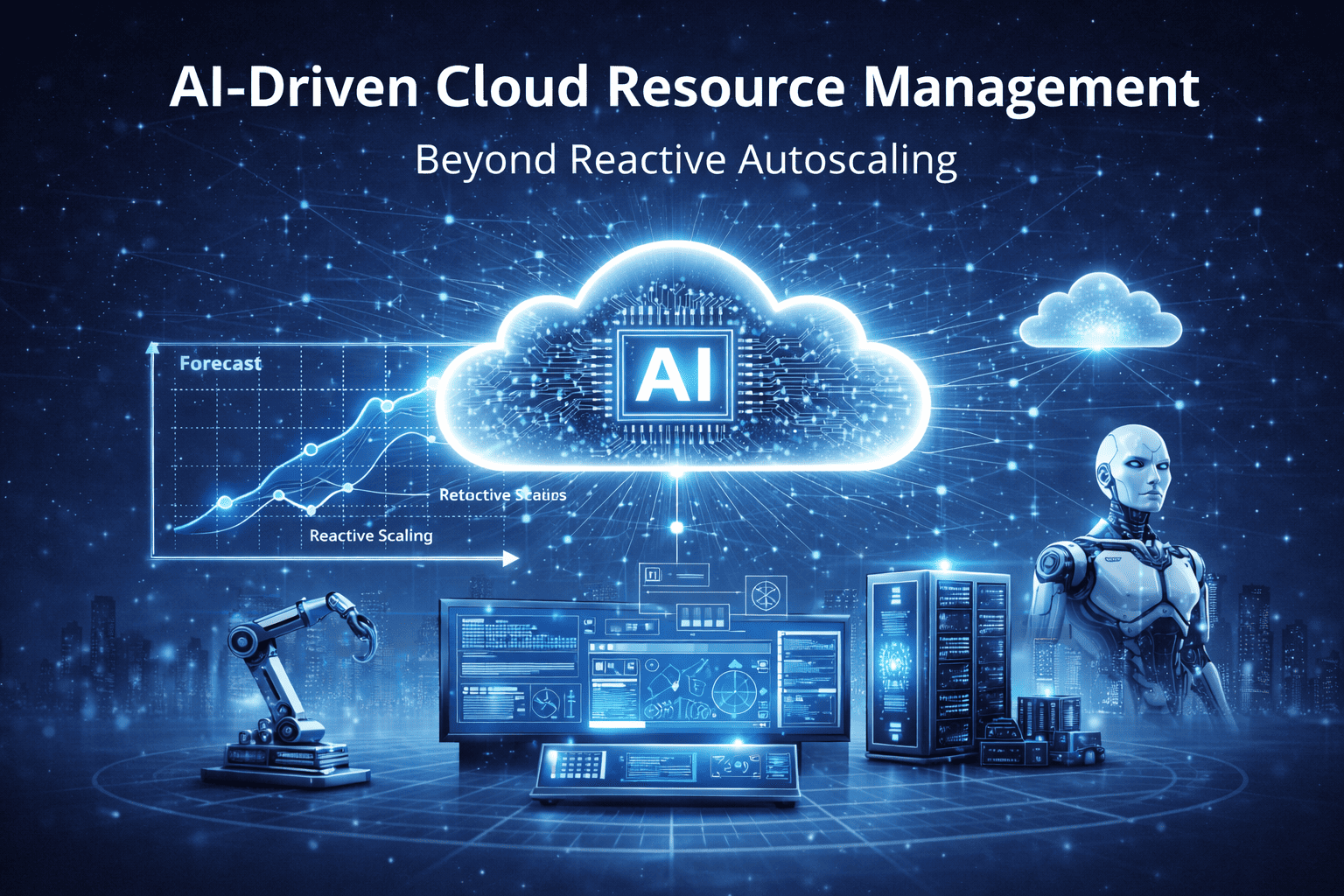
Cloud computing has fundamentally changed how computing resources are provisioned and consumed. Yet, despite advances in virtualization, containerization, and orchestration, many cloud systems still rely on reactive autoscaling mechanisms—rules that respond only after changes in workload have already occurred. As workloads become more dynamic and service expectations more stringent, this reactive paradigm is increasingly inadequate.…
-
Why the Future of AI Is Distributed, Not Centralized
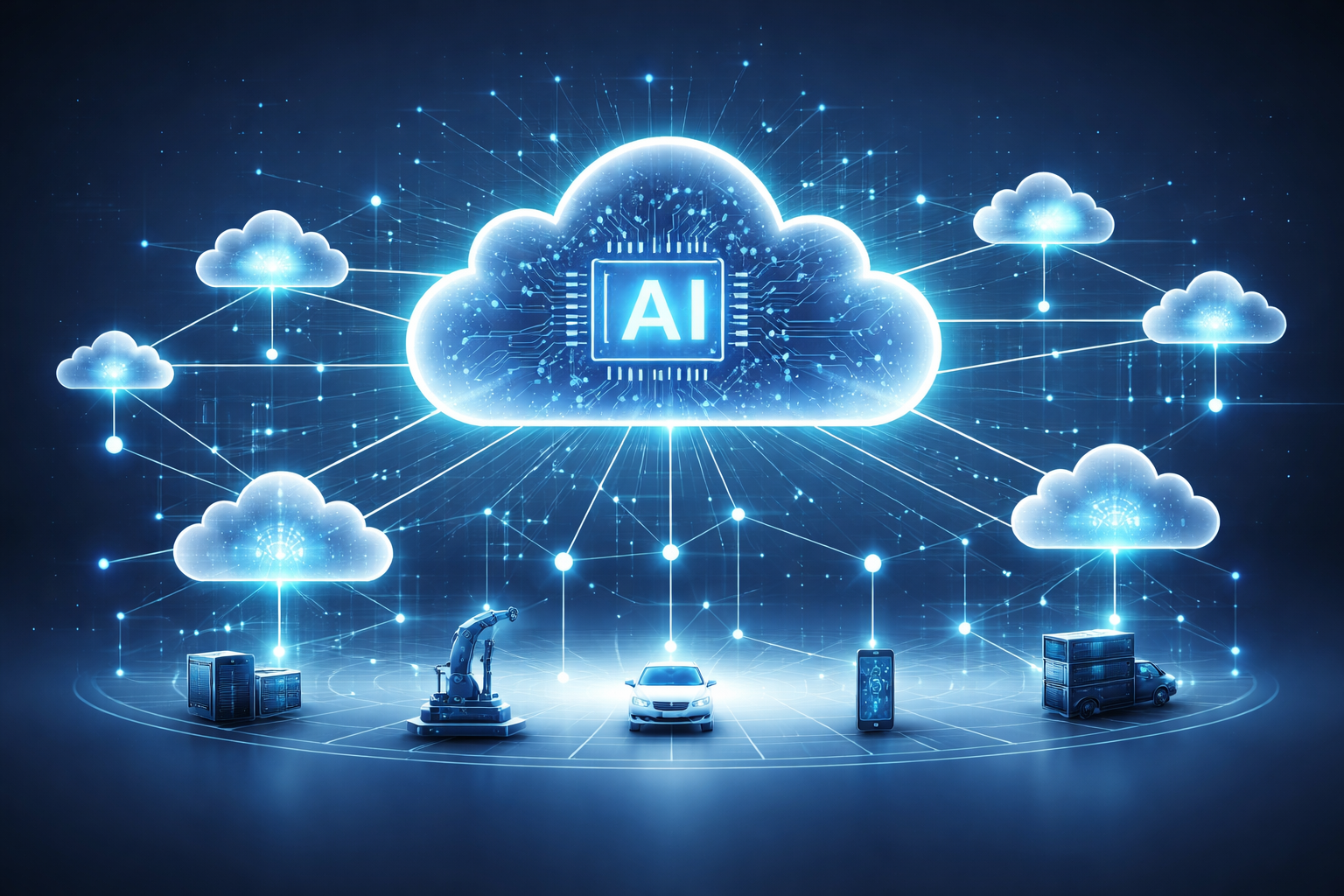
Artificial intelligence has traditionally been built around a simple assumption: data is collected, aggregated, and processed in a centralized location. This model has powered many of the successes of modern machine learning, from image recognition to natural language processing. However, as AI systems expand into real-world environments—spanning devices, organizations, and geographical boundaries—this assumption is increasingly…